Hardside vs Softside Luggage: Which Is Better for Travel in 2026?
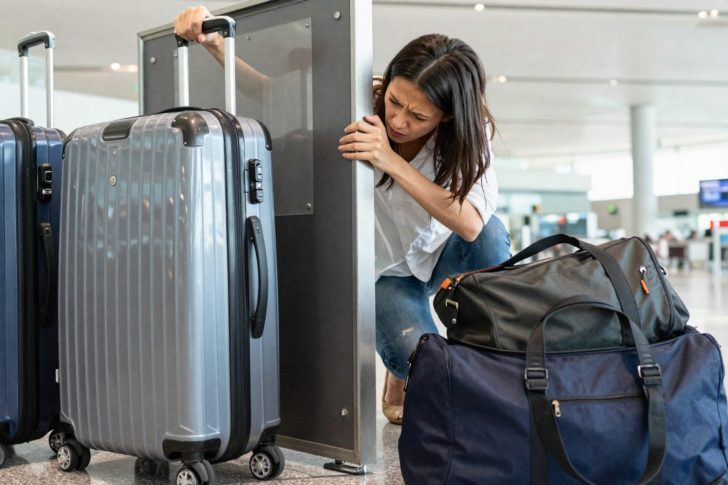
I watched a woman at the gate last month force a brand-new hardside suitcase into a sizer on a budget airline, the polycarbonate shell scraping against the metal. It didn't fit. She spent ten minutes repacking a bulging softside duffel, while her hardside sat on the tarmac to be checked. That moment crystalized the real question for 2026: hardside vs softside luggage isn't about which looks sleeker—it's about which fits your actual trips. After a dozen flights this year, from a week in Iceland to a weekend in Austin, here's my honest take: softside wins for flexibility and capacity; hardside wins for protection and peace of mind. But the right choice depends entirely on how you travel.
The Great Luggage Debate: Why 2026 Changes the Answer
If you've read luggage advice from five years ago, it usually boiled down to: hardside looks cool; softside is practical. But 2026 has shifted the playing field. Budget airlines are tightening carry-on enforcement—Spirit and Ryanair now have automated sizers at some gates. Remote work trips mean more people packing laptops, monitors, and tech gear. And weather extremes—floods, heat waves—mean your bag might sit on a tarmac in Phoenix or get drenched in London. I learned this the hard way last winter when my softside duffel soaked through during a layover in Seattle; my laptop survived only because of a separate waterproof sleeve. That near-miss made me rethink everything.
Here's the upfront verdict: if you frequently fly ultra-low-cost carriers or pack fragile items (cameras, glass bottles), hardside is your safer bet. If you overpack, use external pockets for quick access, or travel to multiple destinations in one trip, softside's expandability wins. Neither is universally better—but 2026's trends make the trade-offs sharper.
Hardside Luggage: The Pros, Cons, and Best Use Cases in 2026
I own a polycarbonate hardside carry-on from a mid-range brand, and it's survived three years of checked baggage abuse. The shell has scuffs but no cracks. That's the core advantage: hardside resists crushing from stacking and rough handling. In 2026, with airlines cramming more bags into holds, that matters. I've seen softside bags come back with torn fabric or bent frames; my hardside just needs a wipe-down.
Pros: Hardside offers better protection for fragile items—I pack a glass bottle of olive oil in a padded pouch and never worry. It's also easier to clean: a damp cloth removes dirt or spills instantly. Security is improved with lockable zippers that meet TSA requirements; many 2026 models have integrated locks. And for weather, hardside is nearly waterproof—I've stood in a downpour waiting for a shuttle, and the contents stayed dry.
Cons: The biggest drawback is rigidity. Hardside doesn't expand. If you buy souvenirs or pack an extra jacket, you're stuck. I once had to wear three shirts on a flight home because my hardside wouldn't close. Also, hardside can be heavier—polycarbonate is lighter than aluminum, but still heavier than most softside fabrics. And the hard shell has zero external pockets; everything goes inside, so accessing a phone charger mid-trip means opening the main compartment.
Best use cases for 2026: Hardside shines for checked luggage on international flights, where your bag will be tossed and stacked. It's ideal for fragile cargo—camera gear, wine, electronics. And for business travelers who need a polished look, a sleek hardside carry-on fits overhead bins and makes a professional impression. But if you're a chronic overpacker or rely on quick-access pockets, hardside will frustrate you.
Softside Luggage: The Pros, Cons, and Best Use Cases in 2026
I switched to a softside carry-on for a recent trip to Mexico, and the difference was immediate. I packed a week's worth of clothes plus a laptop and toiletries—all fit, with room to spare, thanks to an expandable zipper. Softside bags have a give that hardside can't match. In 2026, when budget airlines are charging $50 for a checked bag, that extra capacity is gold.
Pros: Softside is lighter—typically 2-4 pounds less than a comparable hardside—which matters for airline weight limits. External pockets are a game-changer: I keep my passport, phone charger, and a water bottle in front pockets, accessible without opening the main compartment. Expandable zippers let you add 20-30% capacity; I've used this for souvenirs or a bulky jacket. And softside handles rough handling better in some ways—it doesn't crack or dent, and ballistic nylon is incredibly tear-resistant.
Cons: The biggest downside is weather. My softside bag soaked through in a heavy rain; the fabric absorbed water, and the contents got damp. Security is weaker too—zip-together seams can be pried open with a pen, though many 2026 models have reinforced zippers. And softside wears faster; after a few years, scuffs and stains are visible, and the fabric may fray at corners.
Best use cases for 2026: Softside dominates for road trips, multi-stop itineraries, and budget airline flights where you need to squeeze into a sizer. It's perfect for families—you can stuff extra kids' gear into expandable compartments. And for adventure travel, a duffel-style softside bag is easy to carry and can be compressed. But if you travel to rainy climates or pack delicate items, softside needs extra protection like packing cubes or a rain cover.
Head-to-Head: How They Compare in Key 2026 Travel Scenarios
Let's get specific. Here's how they stack up in four real-world scenarios I've encountered this year:
Business trip with suits and laptops: I flew to Chicago for a conference with a suit bag and a laptop. Hardside won because it protected the laptop from bumps and kept the suit from wrinkling (I used a garment folder). Softside's external pockets would have been nice for quick access to chargers, but the risk of a crushed screen wasn't worth it. Verdict: Hardside.
Family vacation with kids' gear: For a week at the beach with my niece and nephew, softside was a lifesaver. I packed swimsuits, sandals, and toys in an expandable softside—it held twice as much as my hardside. Plus, the external pockets let me grab snacks and wipes without unzipping everything. Verdict: Softside.
Backpacking or adventure travel: I hiked through Yosemite with a softside duffel that strapped to my back. It was lightweight, flexible, and easy to stuff into a rental car trunk. Hardside would have been too rigid and heavy. Verdict: Softside.
Ultra-low-cost airline with strict sizers: That woman at the gate? She had a hardside that was 22 inches, but the airline's sizer accepted only 21.5. Softside's give often lets it squeeze in. I've never had a softside bag fail a sizer, but I've seen hardside bags flagged. Verdict: Softside.
Final Verdict: Which Should You Buy for 2026?
No single answer fits everyone, but here's a decision framework based on your travel habits:
- If you fly budget airlines frequently (5+ times a year), choose softside for its flexibility in sizers and expandability.
- If you check bags on international flights or carry fragile items, choose hardside for crush protection.
- If you overpack or travel with family, softside's extra capacity wins.
- If you want low maintenance and easy cleaning, hardside wipes clean; softside needs spot treatment.
- If you want a hybrid, look for designs with a hardside back and softside front pockets—some 2026 models offer this.
One forward-looking tip: check warranty trends. Many 2026 bags now offer 10-year warranties, and hardside warranties often cover cracks. Softside warranties may exclude fabric tears. Worth bookmarking before your next purchase.
Practical takeaway: Buy the bag that matches your trips, not the one that looks best in a store. For most travelers, a high-quality softside carry-on with reinforced zippers is the safest bet for 2026. But if you're checking luggage or packing valuables, invest in a polycarbonate hardside. Either way, you'll land ready.